After nearly 15 years in the technology industry helping build customer support and protection solutions for some of the largest brands in the world, one truth stands out:
People thrive on purpose, not pressure.
Throughout my career, I’ve spent a lot of time thinking about what it takes to build world-class teams. One pattern consistently stood out in the best organizations: tenure and consistency.
When people stay, they invest in each other. They lift each other up and take pride in each other’s work. They become a part of something bigger than themselves and the work has greater purpose.
I worked at an organization where for a long time, tenure was viewed as a competitive advantage. It represented consistency, resilience, and the shared belief that the team could become the best in the world at what they did. People inherently knew what to do and how to do it. But over time, something changed.
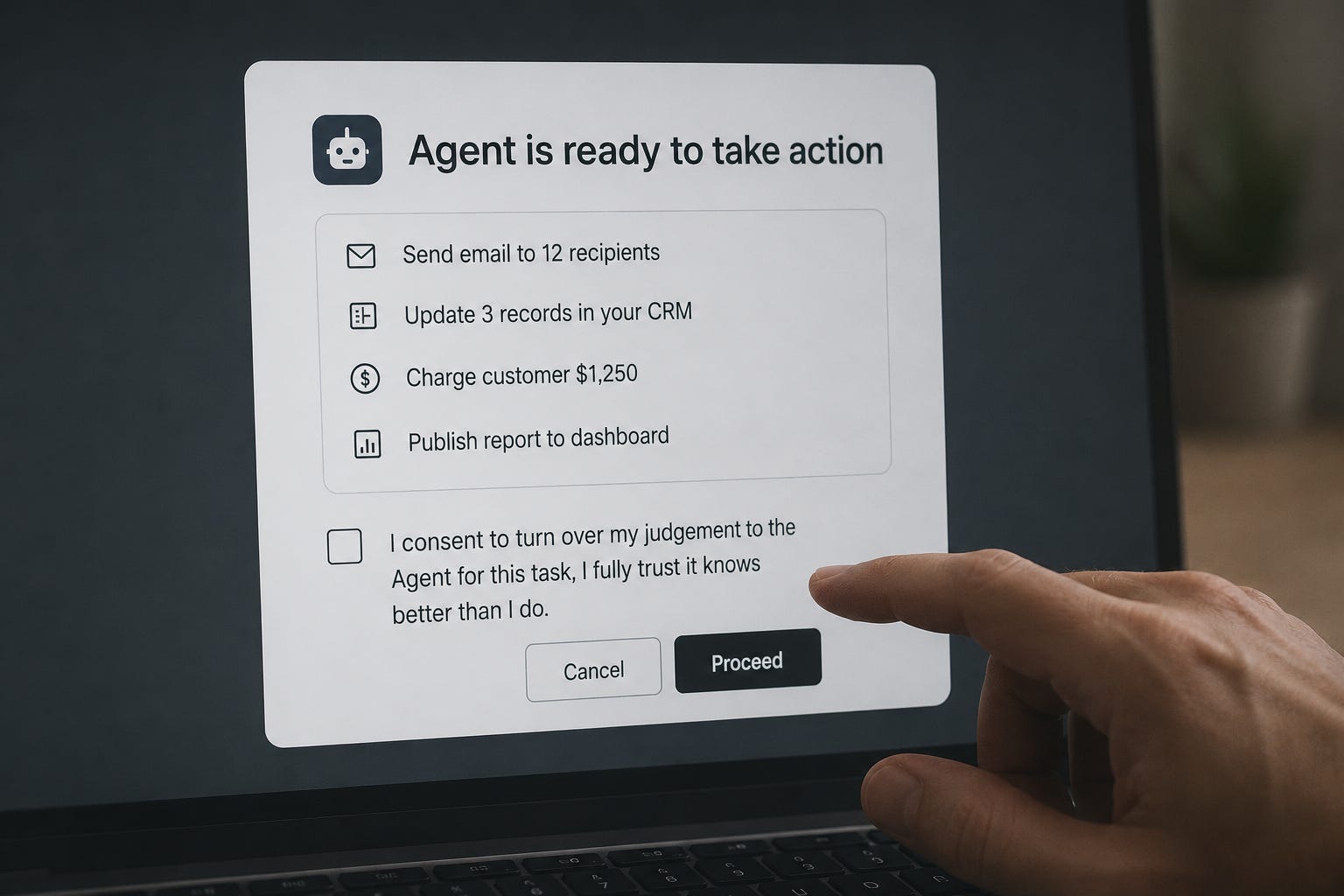
Instead of seeing deep experience as an advantage, it became framed as stagnation. People who had been there for a while lacked flexibility. If “we have tried that before” came up, it was an excuse. Introducing AI into this situation makes things worse.
Instead of recognizing what had been built, the narrative shifted toward what was supposedly missing. And when that happens, something dangerous can occur:
The story of the organization begins to change. People stop rooting for each other. When we have to wait for direction or double check our guts, it slows us down. The answers to problems are found outside. People bring anxiety with them every day, which drives mistrust, lack of buy-in, and even worse a desire to see one another fail. Instead of celebrating the success of an internal team, it’s everyone for themselves.
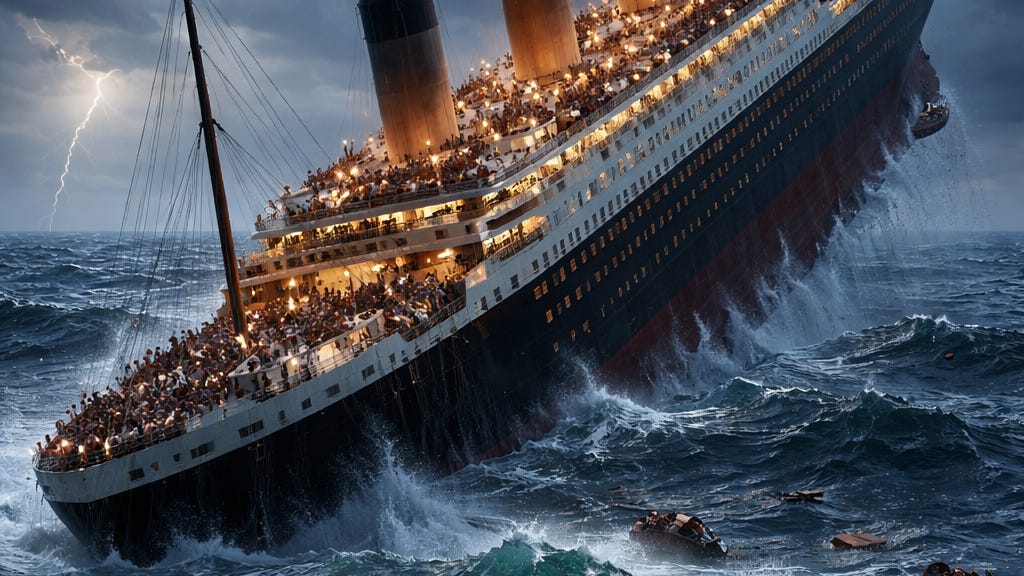
I often think about a scene from Titanic during moments like this when people are floating in the water trying to stay above the surface.
Instead of helping each other stay afloat, some begin pushing others underwater just to survive.
There’s a pattern to how this plays out, and we’ve seen it before.
In Good to Great, Jim Collins studied companies that made the leap to sustained excellence. But what’s just as interesting is what happens when they fall off.
Circuit City is one of the clearest examples.
At one point, they were doing it right. Strong leadership. Clear standards. A culture built on hiring the right people and trusting them to do the work. People learned from each other. They pushed each other. There was a sense that you were building something together.
Then things shifted.
Leadership started chasing short-term results. In 2003, they laid off thousands of their most experienced employees, the very people who carried the culture and replaced them with cheaper labor.
That decision didn’t just cut costs. It broke something deeper.
The mentorship disappeared. The shared standards disappeared. And slowly, people stopped thinking about the company or the team. They started thinking about themselves.
When people feel like they’re being measured against each other instead of working with each other, the behavior changes fast. You stop sharing ideas. You protect your own work. You hesitate to take risks. Not because you don’t care, but because it no longer feels safe to care.
That is what fear-based leadership does to an organization. Teams stop collaborating, stop trusting, and eventually stop winning together. Survival mode isn’t a strategy.
That’s when purpose matters most. Giving teams AI tools and having them realize their skills are less valuable drives anxiety. But giving them AI tools and asking them how tasks evolve, where workflows need judgment, or defining policies that help with quality creates a sense of purpose. Perhaps we should ask “how does your job change with this tool?” instead of “why aren’t you adopting the tool?” Involving people in the process is critical for measurement and accountability.
People thrive on purpose, not pressure. That was true before AI, and it’s the one thing that won’t change as AI gets more capable.